The last half of summer is arriving and along with that are the Cicada Killer Wasps. I saw my first cicada killer den into the side of one of our new bunkers in the past couple of days. Also, they like to burro into the sides of some of our greens surrounds like #3, 5, and 17. They will also tunnel on flat ground as well. Between 16 and near 17 green surround are one of their favorite areas. Dr. Rick Brandenburg from North Carolina State has an informative video below discussing these insects. We will normally treat the run with a sprayable insecticide or a powder. Not a lot we can do about the ones buzzing around the greens and bunkers, sans getting a tennis racket and knocking a few out of mid-air.
Maintenance & renovation practices of one of the oldest 18 hole country clubs west of the Mississippi Host of 1904 Gold Medal Matches in the Olympics
Showing posts with label insects. Show all posts
Tuesday, July 30, 2013
Tuesday, September 13, 2011
Japanese Beetle treatment worked
We have a Little Leafed Linden behind the 16th green near the main road(Marvin Pearson Way). Each season, this tree was attacked by adult Japanese beetles who loved to skeletize its leaves. This season, the tree was treated with a systemic control product(Imidacloprid) to reduce the amount of damage since it is in a high visibility area. As you can see below, the control worked well this season with some slight damage at the very top.
![]() |
| I thought I had a picture of our tree and its damage from the past couple of year but could not locate it. Here is a good example from the Iowa State blog. |
Friday, July 22, 2011
Cicada Killer Wasps are back
Cicada Killer Wasps have made their way back to Glen Echo over the last week. The Wasp is pictured above.
They normally are harmless to humans but if they are aggravated they can sting. There is not a great deal we can do about these creatures but we do spray their burrows which they dig into our banks and or bunkers. We have seen them in areas such as the back right of #3 green, back right of #2 green, back of #17 green and other areas of the rough. They usually are here until September. Interesting note in the article that the adult killers usually use nectar as their food source, the dead cicadas are brought back to the hole(den) for the immature youths that are waiting for a meal.
Wednesday, August 26, 2009
Hornets
It is the time of year where Hornets build their nests. They are built in trees, normally at the end or near the end of a branch. They can be 6' off the ground or 20' off of the ground.
Below are a couple of pictures of a Hornet nest which we saw last week. This is in a maple tree that is between #1 tee and 18 green just below the pro shop. We went out early one morning before sunrise and killed the nest because of the danger from stings for our members and employees who might be nearby. The insecticide we use has a propellant that can go approximately 10 feet. If you would happen to see a nest that is in a tree, please alert the pro shop or one of our staff members so we can determine if we will attempt to eliminate the hive. If a nest is 15-20 feet in the air, there should be no issue and it would be very difficult if not impossible to do anything to the nest with the equipment we have on site.


Below are a couple of pictures of a Hornet nest which we saw last week. This is in a maple tree that is between #1 tee and 18 green just below the pro shop. We went out early one morning before sunrise and killed the nest because of the danger from stings for our members and employees who might be nearby. The insecticide we use has a propellant that can go approximately 10 feet. If you would happen to see a nest that is in a tree, please alert the pro shop or one of our staff members so we can determine if we will attempt to eliminate the hive. If a nest is 15-20 feet in the air, there should be no issue and it would be very difficult if not impossible to do anything to the nest with the equipment we have on site.
Saturday, August 1, 2009
Cicada Killer Wasps
Cicada Killer wasps have now arrived upon the grounds at Glen Echo CC. This wasp normally is not harmful to humans but they do have the capability of stinging a person. The female of the species is the only one that can actually sting a person. They like to burrow into bunker banks and green banks. Two of their favorite locations are the right green bank of #3 and the complete bank on hole #17. We would normally leave this creature alone but they burrow into the ground and push their the dirt they've excavated out of their tunnels into a pile. This pile is rather unsightly and will kill turf grass if left unattended. They are also capable of burrowing into finer turf areas such as greens. A superintendent from Virginia reported that he had 20 burrows on one green this summer.
We spray insecticide down into the burrow of the insect once it has been made. We will also use a tennis racket to knock the flying wasps out of the air to reduce their impacts on our turf.
The link below gives some great information regarding this insect.
http://ohioline.osu.edu/hyg-fact/2000/2078A.html
The picture below is a view of this insect.

The picture below gives you an idea of the amount of dirt these insects put out onto our turfed areas. That two-way radio is about 6-8" long and about 3" wide. A fairly substantial amount of dirt that can be placed out on the turf. Once we spray the dens, we will then kick the dirt around to prevent too much damage to our turf.

The tennis racket and the mounds behind 17 green where you might see us swatting at these insects from time to time. We use the tennis racket so we can use less insecticides.
We spray insecticide down into the burrow of the insect once it has been made. We will also use a tennis racket to knock the flying wasps out of the air to reduce their impacts on our turf.
The link below gives some great information regarding this insect.
http://ohioline.osu.edu/hyg-fact/2000/2078A.html
The picture below is a view of this insect.

The picture below gives you an idea of the amount of dirt these insects put out onto our turfed areas. That two-way radio is about 6-8" long and about 3" wide. A fairly substantial amount of dirt that can be placed out on the turf. Once we spray the dens, we will then kick the dirt around to prevent too much damage to our turf.
The tennis racket and the mounds behind 17 green where you might see us swatting at these insects from time to time. We use the tennis racket so we can use less insecticides.
Thursday, July 23, 2009
Japanese Beetles
Video of the damage that Japanese Beetles have been doing to our Little Leaf Linden trees. They skelotinize the leaves which turns the tree off color/brown. The tree will normally grow new leaves to replace the damaged ones. The damaged leaves will then drop to the ground.
Saturday, June 27, 2009
Japanese beetles
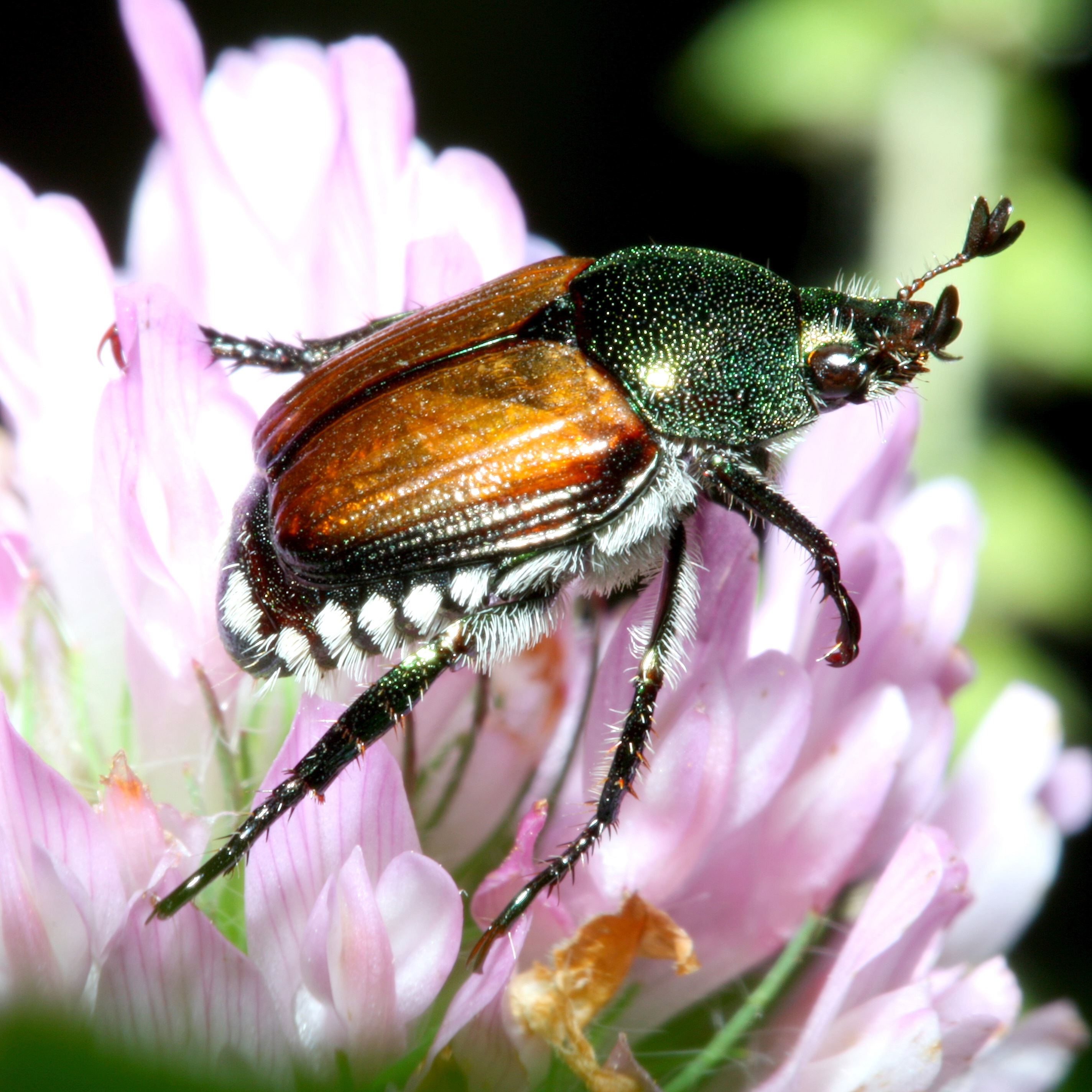
In the last few days, some of you might have seen a green metallic little critter flying around some ornamental plants(roses) or landing on our golf greens and burrowing out of sight. Well, that little critter is the Japanese Beetle which is beginning its mating process and laying eggs in our fine turf. No need to worry, our spray programs eliminate their little grub prodigy's.
We treat our fairways, first cut of rough, green surrounds and tee boxes for grubs which include
Black Turfgrass Aentenius, Northern Masked Chafers(the brown beetle that flies around your porch lights in June), Bluegrass billbug larvae and the Japanese beetle.
Below is a link from the Ohio State University which explains the life and times of this beetle in more detail.
http://ohioline.osu.edu/hyg-fact/2000/2504.html
A picture of a beetle. I place Abe beside the beetle to help you understand the scale or size.

We treat our fairways, first cut of rough, green surrounds and tee boxes for grubs which include
Black Turfgrass Aentenius, Northern Masked Chafers(the brown beetle that flies around your porch lights in June), Bluegrass billbug larvae and the Japanese beetle.
Below is a link from the Ohio State University which explains the life and times of this beetle in more detail.
http://ohioline.osu.edu/hyg-fact/2000/2504.html
A picture of a beetle. I place Abe beside the beetle to help you understand the scale or size.
Subscribe to:
Posts (Atom)